
How to Choose the Best Web Design Company in Nairobi: 2026 Checklist and Questions to Ask

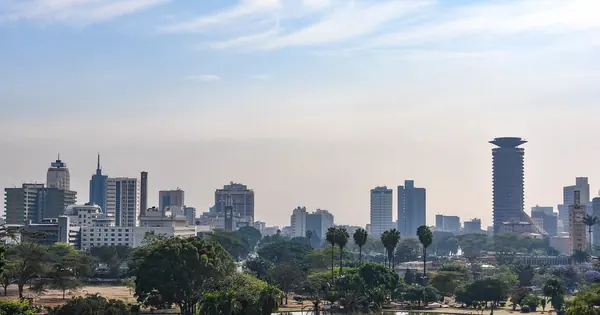
Photo: RHoK Nairobi, Kenya by whiteafrican, CC BY 2.0. Cropped.
Key takeaways
- Judge portfolios by visiting live sites on your phone. Check speed, mobile layout and whether they generate enquiries.
- Get a written scope: pages, features, integrations, content responsibility, timeline, revisions and support.
- Ownership is non-negotiable: domain, hosting account, admin logins and code must be yours.
- Ask how they handle SEO, analytics, M-Pesa and WhatsApp, because a modern Kenyan business site needs all four.
Why choosing a web designer in Nairobi is harder than it looks
Search "website design Nairobi" and you'll find hundreds of agencies, freelancers and "IT companies", most claiming to be the best. Prices range from KES 10,000 to well over KES 500,000 for what sounds like the same thing. Portfolios are often screenshots of templates. And many business owners only discover the real problems after paying: the site is slow, nobody can find it on Google, the developer has the domain, and every small change costs money.
The good news is that the difference between a strong and a weak provider is visible, if you know where to look. This checklist is the one we'd want our own clients to use, including on us.
The 12-point checklist for choosing a web design company
1. Live portfolio sites, not screenshots
Ask for links to five or more live websites they built in the last two years. Open each one on your phone, on mobile data. Do they load in a few seconds? Is the text readable without zooming? Do buttons work? Is there a clear way to call, WhatsApp or request a quote? Screenshots can be of anything. Live sites can't hide.
2. Relevant experience
A company that has built e-commerce stores with M-Pesa understands stock, delivery zones and payment callbacks. One that has built real estate sites understands listings and site-visit booking. Experience in your type of project shortens the build and avoids expensive mistakes. You can see ours in our case studies.
3. Speed and technical quality
Run two or three portfolio sites through Google's free PageSpeed Insights. Scores aren't everything, but a portfolio full of red mobile scores tells you how your site will perform. Most Kenyan visitors use mid-range Android phones on mobile data, so weight speed heavily.
4. SEO built in, not sold as an add-on
Every page should have a proper title, meta description, heading structure, image compression, sitemap and schema. Ask: "What SEO setup is included at launch?" If the answer is "SEO is a separate monthly package", the site may launch invisible. Read what SEO services in Kenya include to know what to expect.
5. A written, detailed scope
The proposal should list pages, features, integrations, who writes content, revision rounds, timeline and post-launch support. Vague proposals produce disputes.
6. Ownership of domain, hosting and code
Insist that the domain is registered in your name or company name, the hosting account is yours (or you get full credentials), and you receive admin access and, for custom builds, the source code. This is the single most common painful lesson for Kenyan SMEs. We explain why in software and website IP ownership.
7. Local integrations
Can they integrate M-Pesa (Daraja API STK Push), WhatsApp click-to-chat or the WhatsApp Business API, Google Business Profile and your CRM? These aren't extras in Kenya. They're how customers pay and talk to you.
8. Clear timeline with accountability
Ask for the delivery date in writing and what happens if they miss it. Delays are common in this industry, usually because content is late on both sides. A provider who commits to a date (we back ours with a 25% refund on our 7-day launch) has thought about process.
9. Content support
Who writes the words? Copy is often the bottleneck. Good providers either write it, edit yours, or give you clear templates. Content written for search and AI answers is a skill of its own.
10. Training and handover
You should be able to update text, images, prices and blog posts yourself. Ask for a training session and short documentation or videos.
11. Support and maintenance terms
What's free after launch, and for how long? What does monthly maintenance cost, and what does it cover: updates, backups, security, small changes? Typical Nairobi rates are KES 5,000–15,000 a month.
12. Reviews and references
Read Google reviews and ask to speak to one or two past clients. Ask them: was it delivered on time, did the site bring business, and how was the support afterwards?
Questions to ask in the first meeting
- Which three sites in your portfolio are most like mine, and what results did they produce?
- What's included in the price, and what would cost extra?
- Which platform will you use (WordPress, custom, Shopify) and why is it right for my business?
- Who exactly will work on my project?
- How will I get leads from the site, and how will we track them?
- Whose name will the domain and hosting be in?
- What happens after launch if something breaks?
- What do you need from me, and by when, to hit the launch date?
How much do web design companies in Nairobi charge?
| Provider type | Typical 5–10 page business site (KES) | Strengths | Watch out for |
|---|---|---|---|
| Freelancer | 20,000 – 80,000 | Affordable, direct communication | Availability, single point of failure, ownership terms |
| Small studio / boutique agency | 60,000 – 250,000 | Process plus personal attention | Capacity at busy times |
| Large agency | 250,000 – 1,000,000+ | Big teams, brand strategy, large integrations | Slower, junior staff on smaller accounts |
For a full breakdown including domain, hosting and maintenance, see how much a website costs in Kenya.
Red flags
- No live links, only mock-ups or screenshots
- Full payment upfront for a new relationship (a 50% deposit is normal)
- "Free lifetime hosting" in their account
- No written contract or scope
- Guaranteed first position on Google
- They can't explain how the site will generate enquiries
- Nulled (pirated) themes and plugins, a frequent source of malware
Agency or freelancer: which should you choose?
Choose a freelancer for a simple brochure site when budget is tight and you've verified their portfolio and ownership terms. Choose a studio or agency when the site is central to sales, needs integrations (M-Pesa, CRM, WhatsApp, booking), or when you need guaranteed timelines and ongoing support. Whichever you choose, the checklist above applies.
A simple way to compare three quotes
Put each quote in a table with the same rows: total price, deposit, timeline, number of pages, who writes content, SEO setup included, M-Pesa/WhatsApp integration, hosting arrangement and whose name it's in, support period, maintenance cost, and portfolio relevance. Score each row from one to three. The cheapest quote often loses on ownership, SEO and support, and those are the rows that cost the most to fix later.
How we approach it at Kavenacc
We're a founder-led studio in Nairobi. Websites start from $499 (about KES 64,000), launch in 7 days for the standard scope with a 25% refund if we miss the date, include SEO and AI-search readiness as standard, and every account and line of code is in your name. Our live work includes Luxe Homes and Kamagambo University, and you can visit and test them yourself. If you'd like a quote measured against this checklist, get in touch.
Related articles


Frequently asked questions
How do I choose a web design company in Nairobi?
How much do web designers charge in Nairobi?
How long does it take to design a website in Nairobi?
Should my web designer also host my website?
What should be in a web design contract?
Is WordPress good for business websites in Kenya?
Get a professional website live in 7 days
Kavenacc builds fast, SEO- and AI-search-ready websites, web apps and mobile apps for Kenyan businesses, with M-Pesa payments and a 7-day launch guarantee.
Estimate your project cost →